Comparative study of reactivity across frameworks and implications for Resumability

summary
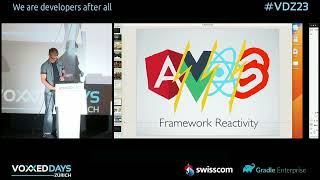
Compares concrete implementations: three reactivity models — values signals observables — and shows frameworks’ actual behaviors with instrumented demos and console re-render counts. React and Angular use value/dirty‑checking and re‑execute the component tree; Vue and Svelte use signals or stores to prune work; Solid runs each component once at hydration and then never re‑executes; Quick skips hydration, ties updates to DOM nodes, and avoids downloading most components — a practical push toward hydration vs resumability that the demos actually demonstrate working.
AI-written summary · about
chapters (14)
- 0:00Intro
- 7:08About Builder
- 8:58Making the web fast
- 9:57Finegrained reactivity
- 11:11Three fundamental ways of reactivity
- 14:02Observables
- 19:28Signals
- 25:51Application
- 27:06Wrapper
- 27:51incrementer
- 28:12coarseness
- 28:37react
- 35:09Quick
- 38:11Review
related talks
 51mDeep dive into modern frameworks Reactivity🔬⚛️
 49mA comparison of the Reactivity Concepts in Angular, React, Vue and Svelte
 57mHow React, Vue and Angular implement reactivity
 19mReactivity in Frontend JavaScript Frameworks
 11mReactivity as Catalyst: Driving Evolution in React, Vue & Angular
 21mUnderstanding Rendering Patterns
 06mEmbracing Reactivity: Signals Unveiled in Modern Web Frameworks
 37mRethinking reactivity