Become a Frontend Developer Ninja using HTML5, JS and CSS3
summary
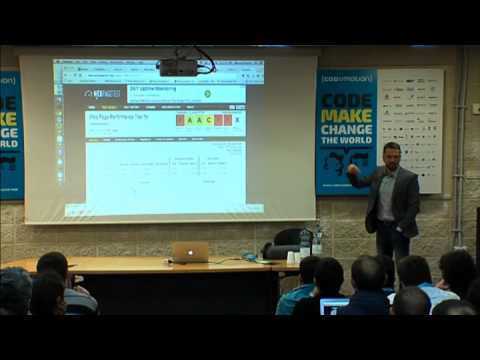
Focuses on frontend performance for HTML5/JavaScript/CSS3, arguing developers should measure and optimize real performance rather than chase frameworks. Presents tools (Chrome DevTools, WebPageTest) and metrics (Speed Index, render timelines), shows typical pages growing from ~300KB to ~1MB with many HTTP requests causing ~10s loads and high mobile abandonment, and identifies latency as the main bottleneck. Recommends concrete optimizations: eliminate render‑blocking JS with async/defer, inline critical CSS, use module/loaders like requirejs or basket.js, enable gzip, use sprites/icon fonts, and adopt build automation (Yeoman/Grunt/Gulp) — reporting ~55% load-time reductions in real projects.
AI-written summary · about
chapters (8)
- 0:00Welcome
- 2:57Frontend developer key areas
- 10:01How browsers render
- 17:23Measure performance
- 23:26Latency vs bandwidth
- 31:19Early choices impact
- 35:33Code optimization techniques
- 46:55Results and conclusions
related talks
 31mThe Future of Front-End Performance
 28mFantastic Frontend Performance Tricks & Why We Do Them
 39mGiving you ways to increase, but also explain site performance, to your boss.
 29mLean Frontend Development
 41m12 Frontend Developer Mistakes or How to Optimize an Existing Product
 01h 04mNeed for speed 8, performance tuning of your web application
 39mFrom make it work to make it fast: quick wins to boost your application
 01h 03mSpeed up your Web Application