How to Play with Deep Space Data
summary
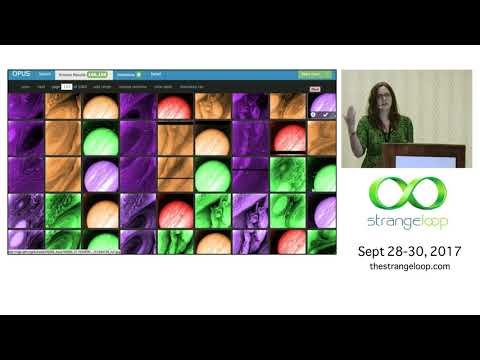
Searchable archives and concrete tools matter: a combined outer-planet search OPUS API returns JSON and exposes about 1.2 million records, including half a million Cassini images and the unique frame set showing Io’s volcanic plume ~200 miles high. Examples include using Python + xmltodict to scrape the Deep Space Network for real‑time distances, BeautifulSoup to harvest HiRISE images and auto‑post to WordPress, Heroku schedulers and a small JSON API to keep a live catalog of active probes.
AI-written summary · about
chapters (21)
- 0:00Start
- 2:33Search Tools
- 3:02Nasa Planetary Data System
- 4:41Outer Planets Unified Search
- 8:10Voyager Mission
- 9:57Saturn
- 12:51Instrument Search
- 13:29New Horizons Mission
- 14:59Lighting Angles
- 15:27Color Versions of Space Probe Images
- 15:47Color Images
- 18:23Images Api
- 19:10Twitter Bots
- 19:44The Ephemeris by Alison Parrish
- 22:07Undocumented Api
- 24:45The Deep Space Network
- 26:31Xml To Dict
- 28:26Web Scraping
- 31:29Xml-Rpc Modernization
- 32:35Where Where To Find Rapidly Released Space Image Data
- 32:51Nasa Data Knots
related talks
 11mWhere Are All the Space Robots?!
 35mFrom Space to Code: Using NASA's Open Data APIs with Kepler
 14m"Building an API for the Planet..."
 20mOrbica Explorer
 28mAstronomy with Python, for non-astronomers
 31mOpenDataCube - Petabyte Scale Satellite Imagery Processing in Python
 45mManaging a search engine for over 600 million openly licensed media records
 25m"Whatever Happened To Those Dinosaurs"