There are no rules in Ruby
summary
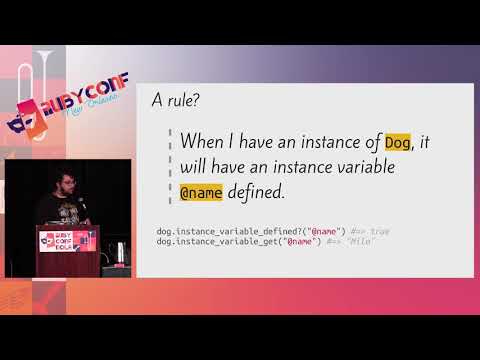
Claims that Ruby offers few ironclad guarantees and demonstrates it with concrete code: examples show methods and singleton methods can change behavior at runtime, instance variables can be removed, and dog.allocate bypasses initialize so an object can exist uninitialized. Compares tactics from Rust—compiler type checks, Result-based error handling and panics—to argue tools for safety: tests, error trackers, code review and reading source. Result: Ruby is flexible but requires explicit practices to get the reliability normally provided by stricter rules.
AI-written summary · about
chapters (9)
- 0:00Start
- 17:22Have an error tracker
- 18:02Write loads of tests
- 18:15Do code review
- 18:33Get comfortable reading source code
- 19:02Think about types
- 32:37Do rules matter?
- 35:11Do rules matter for making good software?
- 36:07Do rules matter for programmer happiness?