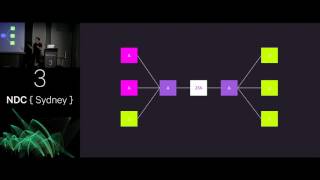
Security And Microservices

summary
Microservices increase attack surface but also enable tighter per-service controls; key claims: HTTPS everywhere via Let's Encrypt (ACME) and client-side certificates or JWTs for service-to-service auth, automated patching (44% of breaches exploit known, unpatched CVEs), and threat modeling with attack trees/STRIDE/DREAD. Recommended tools and practices: Snyk and Clair for dependency/image scanning, ELK/Splunk for centralized logs, mod_security for network filters, automated backups and immutable deploy pipelines so you can “burn and rebuild” cleanly after compromise. Target’s breach hit ~40% of US households as a cautionary example.
AI-written summary · about
chapters (38)
- 0:00Introduction
- 1:43Who is a doctor
- 2:26Who washes their hands
- 4:59North Attack Map
- 7:13What are Microservices
- 8:44All of our stuff is in one place
- 9:14We effectively limit the scope
- 9:32Multiple perimeters
- 10:02Surface area of attack
- 12:33Privacy
- 15:01Attack Trees
- 18:16HTTPS Everywhere
- 18:34Lets Encrypt
- 21:26Clientside Certificates
- 22:26Off Question
- 23:59Example
- 27:38Data at Rest
- 28:39Poll
- 29:09Study
- 30:14Snick
- 32:03Detection
- 32:14Vulnerability
- 32:39Shellshock
- 33:38Logs
- 34:38Security Appliances
- 34:54Multiple Layers
- 35:12Polyglot
- 36:48Human Aspects
- 37:01Target
- 39:21Fire
- 39:31Home Depot
- 40:12Ashley Madison
- 41:52Tylenol
- 43:12Adult Friend Finder
- 45:22Recovery
- 45:47Backups
- 49:00Prevention
- 50:43Questions