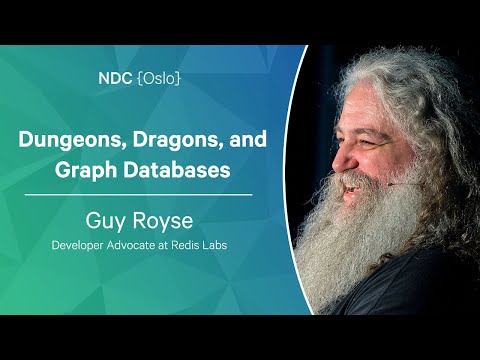
Dungeons, Dragons, and Graph Databases
summary
Compares SQL vs a graph model using RedisGraph and Cypher, builds a procedurally generated dungeon and loads it into Redis so rooms, monsters and treasure become nodes and edges; demonstrates CRUD and variable-length path queries, then runs a demo: naive longest-path query ~900 ms vs the shortest path algorithm at ~8 ms. Shows RedisInsight GUI, shares code on GitHub, and notes practical limits like a ~195 MB per-key limit in Redis and using replication for read scaling.
AI-written summary · about
chapters (15)
- 0:00Welcome
- 1:10Speaker and topic
- 2:32Graph databases for D&D
- 4:39What is a graph database?
- 11:41Node relationships
- 15:09Relational vs graph for dungeons
- 18:39CRUD in SQL and RedisGraph
- 25:03Linking dungeon elements
- 27:12Querying monsters and treasure
- 29:21Room connections compared
- 32:50Path queries
- 38:08Live RedisGraph demo
- 48:10Practical applications of graph databases
- 51:59Redis Stack resources
- 53:03Q&A
related talks
 52mDungeons, Dragons, and Graph Databases
 31mDungeons, Dragons, and Graph Databases
 32mGraph Databases, and Dungeons and Dragons
 51mDungeons, Dragons, and Graph Databases.
 01h 00mWho’s Afraid of Graphs?
 32mUnderstanding Complexly Connected Data using Graph Databases
 49mModern Graph Databases
 32mNever use a graph database!