Cloud Anatomy 101: Breaking Down Cloud-native

summary
Cloud-native means breaking an app into appropriately sized components, packaging them with Docker, and running them on Kubernetes for automated scaling and self-healing; use Prometheus, Grafana, Elastic/Kibana and Fluentd for observability, choose stateful vs stateless per service, and map practices to the 12‑factor and CNCF trail. Hands‑on options include Open Liberty/MicroProfile labs, Testcontainers for dev/prod parity, and IBM Garage playbooks for step‑by‑step modernization. Kubernetes for automated scaling containers as cells Prometheus and Grafana dashboards
AI-written summary · about
chapters (13)
- 0:00Introduction to cloud anatomy
- 1:03Evolution of cloud infrastructure
- 7:24What is cloud native?
- 8:49Application architecture choices
- 13:19Containerization in cloud native
- 16:51Orchestration with Kubernetes
- 19:38Communication in distributed apps
- 22:54Stateful vs stateless storage
- 27:07Observability and monitoring
- 30:39Navigating complexity with APIs
- 34:10Step-by-step to cloud native
- 41:11Summary and key takeaways
- 54:33Q&A and closing
related talks
 35mComplete Idiot's Guide to Cloud Native
 27mCloud Native: why, oh why?
 31mCloud Native Observability
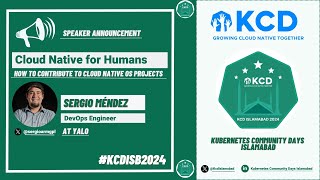 18mCloud Native for Humans
 50mFlying through Cloud Native (CNCF)
 26mStreamline Your App Development With the Power of Cloud Native Tools
 51mWhat Is This Cloud Native Thing Anyway?
 34mGoing cloud-native: Why? How? & What?