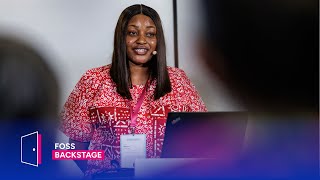
Cognitive biases, blindspots and inclusion

summary
Open source projects often fail not for lack of technical merit but because cognitive biases create hidden barriers: bias blind spot and false consensus lead to undocumented procedures, English-only real-time chat and calls that exclude nonnative speakers, and instant merges that close out contributors in other time zones. Practical fixes include a clear code of conduct, explicit procedural docs, choosing asynchronous channels over Slack/Zoom for core decisions, and delaying merges to keep discussions open.
AI-written summary · about
chapters (10)
- 0:00Intro
- 0:52The elephant in the room
- 2:30Privilege is a matter of context
- 2:46Inclusion issues in open source?
- 6:02Code of Conduct
- 8:27Knowledge Barriors
- 10:56Language Barriers
- 14:34Time Barriers
- 19:56If you can't be open, at least be transparent
- 20:51Questions?
related talks
 38mCognitive Bias: A reflection and path forward
 01h 00mCognitive biases in software development
 05mNavigating Unconscious Bias in Open Source Communities
 01h 02mCognitive biases in software development
 44mTen Practical Approaches for Building Inclusive Open Source and InnerSource..
 26mBias: they influence us more than we think
 30mTokenism in Open Source: Diversity or Decoration?
 37mInclusion In Open Source: Closing panel discussion