AI and the Law
summary
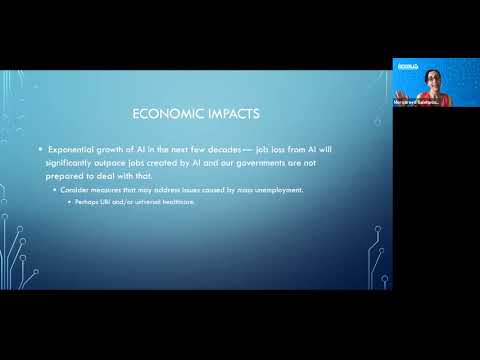
Survey of legal pain points for AI: explains that facial recognition error rates for minorities and women persist, that bots caused large-scale misinformation in 2016, and that job losses from AI growth likely outpace job creation. Describes concrete contract failures (weak IP and data clauses that can give away value), notes regulators suing Google and recent T‑Mobile/Sprint consolidation as context, and flags AI-generated code ownership and de‑anonymization risks — who is liable when autonomous systems err.
AI-written summary · about
chapters (19)
- 0:00Introduction to AI and Law
- 2:32Positives of AI adoption
- 3:54Challenges of AI use
- 4:14Social and ethical considerations
- 7:06Economic impacts of AI
- 8:09Intellectual property issues
- 12:42AI and IP administration
- 14:25Privacy concerns with AI
- 19:25Legal procedure circumvention
- 22:57Liability for AI errors
- 24:21Regulating controversial content
- 26:06Autonomous vehicles liability
- 27:09Algorithm reliance and liability
- 28:53Addressing ambiguities in AI law
- 30:58Government lawsuits and regulation
- 34:29U.S. privacy law adoption factors
- 36:19Protecting consumers from invasive AI
- 38:08WeChat vs government oversight
- 39:52National privacy law prospects
related talks
 01h 00mAI: Law, Policy, and Common Sense Suggestions to Stay Out of Trouble
 53mAI: Law, Policy and Common Sense Suggestions on How to Stay Out of Trouble
 51mAI: Legal and Policy Considerations and Landmines to Avoid
 17mAI Law & Ethics: developing responsible AI systems
 24m2025: year of Ai dilemma - ethics, regulations and innovations
 40mAI: Legal and Policy Considerations and Landmines to Avoid
 31mPanel: Navigating the AI Policy Landscape
 58mUsing AI in games