Taking the 737 to the MAX!

summary
Boeing fits larger CFM LEAP engines forward to keep the 737 low to the ground and that change alters handling so Boeing adds MCAS to push nose down in specific stalls instead of redesigning aerodynamics MCAS uses a single AOA sensor for activation and was set to trim up to 2.5° per activation with a 4.7° limit repeated pulses cause two deadly crashes killing 189 and later 157 people the fleet is grounded for 1 year 8 months and recertification adds AOA redundancy activation limits and mandated simulator training which fixes the immediate failure modes.
AI-written summary · about
chapters (15)
- 0:00Boeing 737 MAX story
- 3:11737 lacks rear landing gear doors
- 4:57Lion Air 610 crash aftermath
- 13:41Boeing acknowledges MCAS
- 16:29Boeing’s culture shift and rushed MAX
- 19:41Engineering challenges in 737 MAX
- 21:26MCAS design and certification flaws
- 23:30Boeing omits MCAS from manuals
- 25:32Pilot training gaps and MCAS mystery
- 26:54Ethiopian 302 crash and grounding
- 27:37Who is to blame for MAX tragedies
- 28:59Systems thinking and safety paradox
- 32:50Software lessons from 737 MAX
- 33:31Reforms after MAX disasters
- 34:59Conclusion
related talks
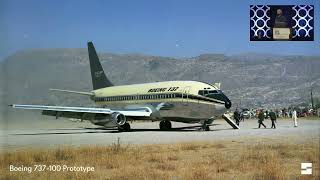 34mTaking the 737 to the Max
 32mTaking the 737 to the Max
 01h 01mThe Boeing 737 MAX: When Humans and Technology Don't Mix
 56mLearning from Disaster
 53mMayday Mark 2! More Software Lessons From Aviation Disasters.
 25mMayday! Software Lessons From an Aviation Disaster
 26mThe top IT failures in history
 43mHow to crash an airplane