Explain it

summary
Five concrete moves: plan the explanation (use top-down, bottom-up, process or simple-to-complex sequences), watch for the common gap failure where experts forget steps and beginners loop on the same question, treat explanations as timed—put the key idea first, avoid term dumps, and add small wins, deliberately repeat yourself enough for context, and show humanity (a simple, temporary simplification — “it’s basically an array” for a Clojure vector — is fine, then fix it later).
AI-written summary · about
chapters (27)
- 0:00Intro
- 0:39What's Holding Us Back?
- 5:08Five Ways to Make Your Explanations Stick
- 6:13Take Explaining Seriously
- 10:16Process
- 11:16Simple Complex
- 12:15Array?
- 12:25Actually [1 2 3 4 5] is a persistent, immutable data structure organized
- 12:40Array!
- 12:51LIE
- 13:30STOP!
- 14:19Nothing Forever
- 14:33The Experts!
- 14:55Be Agile
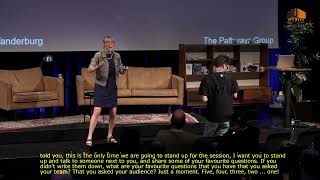
- 15:55Silence Blank Looks Same Questions
- 21:39Ruby is the Language
- 25:06Terminology Is not Important Stuff
- 27:47Supply Small Victories
- 28:41Don't Repeat Yourself
- 29:14Having no adornment
- 29:24Impersonal
- 29:38Without Butter
- 30:13Repeat Yourself Enough
- 30:27Repeat Yourself to
- 30:58Refer to Section 9.7 before proceeding...
- 34:55Not Funny?
- 35:23Show Up
related talks
 15mFive Ways to Engage Your Audience
 31mHow to Effectively Communicate Technical Ideas to Non Technical Audiences
 45mHow to Communicate Technical Ideas to Non Technical Audiences
 30mPresent like a pro!
 49mExplain Yourself! Documentation for Better Code
 47mHow do you learn?
 42mHow to Give a Talk
 58mThink Like a Trainer: Improving Your Communication Skills