Owning Your Experience: Talking about Mental Health In the Workplace

summary
Argues that using experiential language instead of diagnostic labels improves workplace support, offers concrete scripts — ask-for-help script, offering, check-in and crisis phrases — and safety rules for critical moments (ask about intent, call for help only when clear plan exists). Shares lived-treatment data: medication + therapy + mindfulness with ~9 years compliance and ~98% symptom control. Advises practical tactics: pre-plan requests, trial-balloon reveals, and expect HR to protect the company, not the individual.
AI-written summary · about
chapters (11)
- 0:00🚀 Build Stuff Conference – Get Your Tickets!
- 1:30Introduction to Arthur Doler & Mental Health in the Tech Industry
- 4:34The Complexity of Mental Health and Thought Control
- 9:00How Emotions Affect Your Cognitive Functioning
- 12:38The Importance of Experiential Language in Mental Health Discussions
- 15:00Arthur’s Personal Story: From ADHD to Panic Attacks
- 20:26The Role of Medication and Therapy in Mental Health Management
- 25:00Why You Should Talk About Mental Health at Work
- 30:11How to Have Conversations About Mental Health with Your Colleagues
- 35:03Overcoming Roadblocks to Talking About Mental Health
- 41:12Final Thoughts: Owning Your Experience and Advocating for Yourself
related talks
 54mOwning Your Experience: Talking about Mental Health In the Workplace
 53mOwning Your Experience: Talking about Mental Health In the Workplace
 37mWe Need To Talk...(More) About Mental Health At Work
 47mYou don't talk about that at work.
 12mOvercoming Mental Heath Hurdles at Work
 01h 04mLet’s Talk About Mental Health
 33mErasing the Stigma
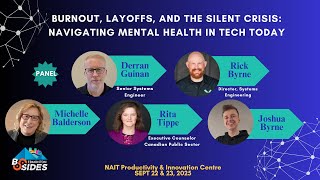 01h 42mNavigating Mental Health in Tech Today