Moving Fast at Scale

summary
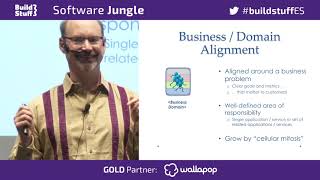
Research-backed approach: form small cross-functional teams aligned to clear business problems, use A/B tests and machine-learned ranking to iterate, and apply test-driven development, feature flags and small batch releases. An App Engine outage sparks an eight–ten-theme blameless post-mortem that yields a 10x drop in reliability incidents. Incremental experiments at scale produce two separate ~2% revenue lifts (~$120M each on $60B revenue). Elite orgs deploy ~46x more often, cut lead time 2500x, and recover 2600x faster.
AI-written summary · about
chapters (44)
- 0:00Introduction
- 0:50Agenda
- 1:43Different kinds of organizations
- 3:45Management vs Servant Leadership
- 4:28Psychological Safety
- 6:17Crossfunctional collaboration
- 7:47Postmortem approach
- 10:57Autonomous teams
- 11:39Modern organizations
- 12:19Pizza teams
- 12:51Aligning teams
- 13:46How to form teams
- 15:03Defining the problem
- 15:22The 7 words
- 15:45Start a dialogue
- 16:56Bring engineering discipline
- 17:09Be disciplined problem solvers
- 19:00The curse of knowledge
- 20:16Lean software development
- 21:16Problem half solved
- 21:41Were paid to write code
- 23:21Traditional approaches
- 24:10The first thing we want to do
- 25:41Incremental releases
- 27:31Zero value
- 28:00Summary
- 29:47Realworld examples
- 30:45Experimentation
- 33:50Discipline
- 34:08We dont have time
- 34:31So much to do
- 34:51Time and resources
- 35:16Minimal viable feature
- 35:57Supercomputers
- 36:25New Features
- 39:18Testdriven development
- 41:26Microsoft 2006 study
- 42:22Bug tracking
- 43:26Technical debt
- 43:46Minimal viable features
- 44:05High performance culture
- 44:31Elite performers
- 45:19Business metrics
- 45:43When to stop