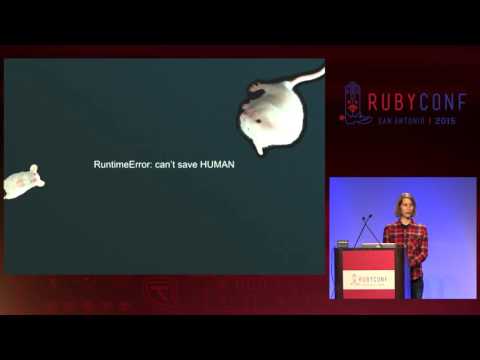
RuntimeError: can't save WORLD
summary
Argument states that applying social design methods produces better software: user shadowing uncovers real needs, not imagined use cases. Concrete tools and prototypes appear — a Make:it kit turning plants into sensors, open hardware and beacons used in Blind Maps to build a low‑cost navigation cane, and a demo video from Superflux exploring smart‑home frictions. Numbers surface (350 passengers, five oaks at $20) and the practical claim is that testing with real people reveals whether a device actually works.
AI-written summary · about
chapters (20)
- 0:00Introduction
- 2:08What is WORLD
- 2:42Overview Effect
- 3:37Hatch
- 5:11Conclusion
- 5:58CO2 calculations
- 6:39Carbon offsetting
- 7:54Wicked problems
- 9:36Plants
- 12:07A pinch of irony
- 12:27Story
- 13:27A Walking Aid
- 14:33Uninvited Guests
- 15:33How will we live
- 18:07Blind Maps
- 21:59Modern society
- 23:12Technical advice
- 26:55Book recommendation
- 27:11Alan Turing Memorial
- 27:30Thank you
related talks
 39mCan Design Save the World?
 21mImaginary Design Workbooks: Constructive Criticism and Practical Provocation
 46mWhen Design Thinking Meets Opensource
 52mDesign for the Utopia You Want, Not the Dystopia You're In
 20mMicrointeractions for the System: Design in the Age of Techlash
 01h 13mYou Are A Designer
 48mStorytelling With Software
 56mFocus on the User: Making the World a Better Place