CSF Over Time: Shifting from Identify/Protect As You Grow

summary
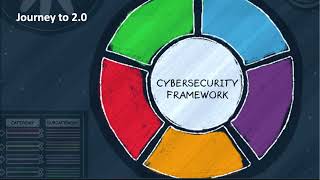
Examines how organizations should shift their use of the NIST Cybersecurity Framework from an initial Identify/Protect focus toward Detect/Respond/Recover over time, explaining that as basic controls are implemented and threat-informed red-team/self-attack capabilities are developed, proactive tasks require less effort and reactive functions become more prominent. Names the NIST CSF domains and frames the change as a lifecycle/operational shift driven by implementation and threat-informed testing.
AI-written summary · about
chapters (8)
- 0:00Start
- 6:25Common Sense, Right?
- 12:27Apply Better Methods: Mid-Tier Maturity
- 15:30Apply Better Methods: Full Maturity
- 20:51Challenges with the model
- 26:34Red Teaming or Blue Teaming?
- 28:29Key Takeaways - GRC
- 30:05Key Takeaways - Tech Stack
related talks
 35mRevolutionizing Cyber Defense: The NIST CSF 2.0 Advantage
 49mNIST Cybersecurity Framework v2.0: What’s changing?
 50mIt’s a Journey…Where is NIST Headed with the Cybersecurity Framework
 29mMeasuring Cybersecurity Maturity with the NIST CSF
 38mHow I Learned to Stop Worrying and Build a Modern Detection & Response Program
 53mThe New and Improved NIST CSF 2.0
 29mBuilding a Security Operations Program
 47mCybersecurity: Is It about Business or Technology?