Intro to the IndieWeb: How Far Can We Go?
summary
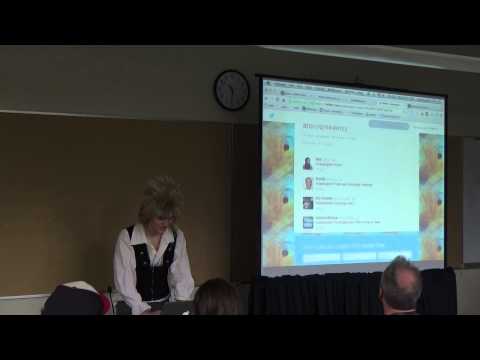
Argues that personal domains stop data loss illustrated by AOL Hometown vs Phosphor, and credits 2003/Google Reader as turning points; demonstrates working IndieWeb stack: POSSE (post on your site then syndicate), PESOS (post elsewhere then pull back), Peak P3k, Bridging (brid.gy style) and webmention for site‑to‑site replies and Instagram/photo synces. Shows WordPress plugins, an RSVP flow that roundtrips to Facebook, and live demos that successfully return comments to the origin site, proving the approach is practical today.
AI-written summary · about
chapters (11)
- 0:00Escaping social media labyrinth
- 6:11Personal websites after 2003
- 13:17Terms of service issues
- 17:29IndieWeb movement origins
- 21:46Post on your own site first
- 27:15Posse and PESOS syndication
- 31:52Building decentralized social web
- 35:45IndieWeb and freedom
- 38:33Open source tools
- 41:45Risks of staying
- 42:26Q&A
related talks
 42mMaking the web fun again
 19mBuild Better Webs
 11mHigh Order Bit
 10mChris Messina at Social Graph Foo Camp, February 2008
 06mTony Conrad interviewed at Web 2.0 Summit 2011
 15mSeizing the means of communication — a plan for community-owned social media
 58m"Future of the open web and open source"
 49mKeep Everyone In Sync: Effective Approaches Borrowed from Open Source Communities