Getting Started with Open-Source Contributions: A Beginner's Guide
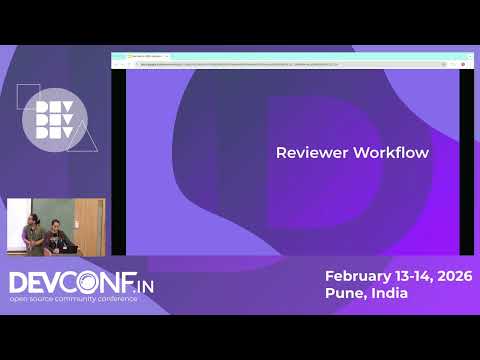
summary
Based on GSoC 2024 and 2025 mentoring experience, the session shows how contributors start by forking, cloning, creating a branch, writing an atomic PR with a clear issue reference, and adding failing tests then fixing them (test-driven approach); recommends using CNCF sandbox projects and the CNCF landscape to pick small codebases, lists mentorship routes like GSoC, LFX and Outreachy, warns to keep AI human-in-the-loop, and cites work on Prometheus Operator and Kubernetes metric-server as concrete examples.
AI-written summary · about
chapters (13)
- 0:00Open source intro
- 2:30What is open source
- 4:57Why contribute
- 6:24Finding projects
- 7:48First contribution steps
- 9:15GitHub workflow
- 9:58Mentorship programs
- 11:02Writing GitHub issues
- 12:05Pull request best practices
- 13:30AI in contributions
- 14:54AI pitfalls in contributions
- 15:35Networking groups
- 17:00Summary and next steps
related talks
 45mGetting Started with Open Source
 27m"Getting Started with Open Source Contributions"
 31mGetting Started with Open Source Contributions
 22mA beginner's guide to Open Source
 32mYour First Open-Source Contribution
 32mContributing to Open Source: A Guide
 13mHow to Make Your First Open Source Contribution
 28mBest Practices for an Effective Open Source Contribution