Getting Started with Open Source Contributions

summary
Five practical ways to start contributing: join coding Sprints to pair with maintainers, add or fix examples in docs, scan labeled issues for good first issue tags, report and reproduce bugs, or propose and implement features. Choose projects by checking license, recent activity, codebase size, tech stack, and repo access. Practical tips: claim issues, follow setup instructions, volunteer to fix things, start with docs if setup is heavy, and small wins like a pre-commit hook for numpy do can lead to maintainer roles.
AI-written summary · about
chapters (9)
- 0:00Introduction
- 1:06Open source myths debunked
- 8:11Finding a project to contribute
- 13:27Participating in Sprints
- 19:47Browsing open issues
- 21:33Identifying and fixing bugs
- 25:00Proposing new features
- 27:07Tips for successful contributions
- 28:54Maintaining momentum
related talks
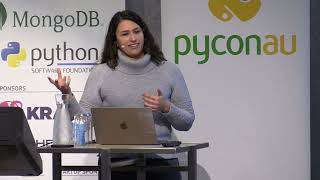 27m"Getting Started with Open Source Contributions"
 26mGetting Started with Open Source Contributions
 28mBest Practices for an Effective Open Source Contribution
 22mA beginner's guide to Open Source
 32mGetting Started in Open Source
 12mHow to start contributing and still have fun
 36mHow to Contribute to Open Source Projects
 13mHow to Make Your First Open Source Contribution