Many ways to be a Python contributor

summary
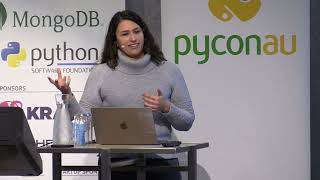
Starts as a coder and then shows concrete routes: mentors guide a first pull request that lands in Django 2.0 codebase (a PostgreSQL-related feature), joining sprints and organizing one that produces a working proof‑of‑concept, adding i18n and full‑text search to the Django website and shipping translations (French and others), building a Pelican blog to publish tutorials, coaching at Django Girls, and growing a local Python group to about 200 people through meetups and workshops.
AI-written summary · about
chapters (17)
- 0:00Introduction as Python contributor
- 1:31Beyond writing code contributions
- 2:57Joining and engaging with communities
- 4:01Contributing to Django core
- 5:46Giving first conference talk
- 7:12Mentoring and coaching workshops
- 8:15Organizing sprints at conferences
- 10:05Contributing to Django documentation
- 10:50Starting a technical blog
- 11:54Answering questions online
- 13:00Translating documentation
- 14:07Attending international conferences
- 15:13Finding inspiration from community founders
- 15:55Sharing ideas to spark contributions
- 17:25Organizing local Python communities
- 18:29Hosting Python Pescara workshops
- 21:48Q&A session
related talks
 27mFrom junior developer to Django contributor: My open source journey
 26mGetting Started with Open Source Contributions
 26mOops! I Became an Open Source Maintainer!
 43mNavigating Django's Future: Djangonaut Space
 27mHow to start contributing to Drupal without Code
 19mInspiring women to fall in love with programming
 04mLightning Talk: Teaching Women to Code with Django Girls
 27m"Getting Started with Open Source Contributions"