MLOps is the New DevOps: How Sysadmins are the Next AI Operators

summary
Operations skills map to MLOps by handling the artifact lifecycle not the math: take a Jupyter output like model.pkl, wrap it with FastAPI, containerize, push to a registry and run on Kubernetes/OpenShift, add CI/CD and automated retraining pipelines, and monitor for model drift with metrics and alerts tied to business thresholds. Learn Python for ops, serving tools, and feature stores; expect ~60–80 hours to get comfortable and a market of 5,000+ jobs for MLOps roles.
AI-written summary · about
chapters (7)
- 0:00MLOps and DevOps crossover
- 2:49DevOps vs MLOps
- 6:20Data scientists and MLOps roles
- 8:48Model to production service
- 10:16Monitoring MLOps environments
- 12:25New skills for MLOps engineers
- 14:30Why MLOps is worth it
related talks
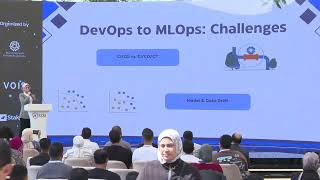 14mWhy Your DevOps Skills Are Your MLOps
 01mMLOps: Applying DevOps to ML
 24mFrom DevOps to MLOps: Enabling Artificial Intelligence
 41mMLOps in 30 Minutes
 13mMLOps: From AI Research to Production-Ready Systems
 43mNavigating the MLOps Journey: Key Considerations for Successful Implementations
 30mMLOps for Continuous Learning
 45mThe Culture, Architecture and Technology of MLOps