#Junioring101 - How Not To Go Bonkers At The Start
summary
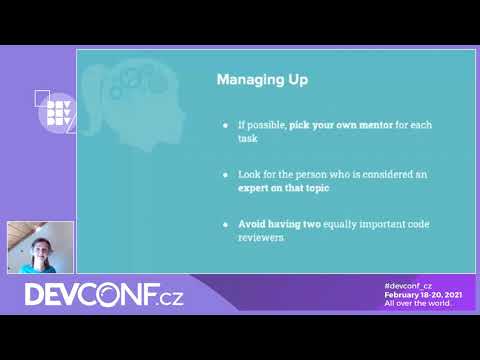
Concrete routines for the first months: run tiny experiments, write a short hypothesis and reproduce the error before asking, and use rubber duck debugging and screenshots so colleagues spend minutes not hours. Block regular scheduled deep-learning blocks (half-day or twice-weekly hour) and log what was tried and what changed. Track ownership by announcing delivery dates early and listing blockers in the team channel. Measure energy: pick one recharge habit, keep a one-line daily note, and iterate the schedule until learning is sustainable.
AI-written summary · about
chapters (8)
- 0:00Introduction
- 1:04Learning from mentorship
- 2:53Seeking help early
- 4:41Setting goals and avoiding burnout
- 6:51Communicating priorities
- 8:38Balancing work and growth
- 10:02Self-care for career
- 12:11Recharging energy
related talks
 10mCommon pitfalls of junior developers
 17mThe Junior Jump: from Student to Team Member
 30mHow to Teach New Programmers so That They Learn?
 23mThe Junior Jump
 25mWork On The Wrong Things First
 28mSelf learning is a marathon not a sprint
 40mInvesting in the Future: Unlocking the Potential of Junior Developers
 30mEquipping your team to support junior developers