How Smart are Smart Things?

summary
Bought a Sense smart alarm clock after a year delay and it fails: Wi‑Fi drops, it misattributes a partner’s sleep, the three‑LED never green, and it gets used for one week then abandoned. Examples include a toothbrush that only counts minutes, a salt dispenser that shakes your phone, a juicer that refuses expired packets, and gesture controls that work ~5–10% of the time. Nest stands out: a learning thermostat that reduces energy and paid for itself for many users. The useful pattern is perceived value plus a real added value or outcome.
AI-written summary · about
chapters (8)
- 0:00Introduction and sense alarm clock
- 6:47What makes devices smart?
- 9:41Examples of dumb smart devices
- 17:47The gold rush of connected things
- 21:46Solutions for meaningful tech
- 23:31Framework for added value
- 28:02Success story: Nest thermostat
- 30:54Call to responsible design
related talks
 49mIoT in the service of Man or Man enslaved by IoT?
 19mDesign
 49m40875 The dark Age of IoT
 44mScaling Your Business with SmartThings
 39mAlexa, is The Smart Home vision failing?
 51mThings That Go Bump in the Night: Detecting Problems in the Internet of Things
 45mBeing Smart vs. Feeling Smart
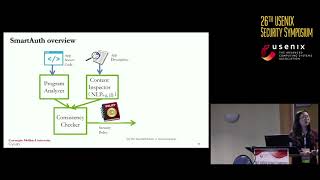 29mSmartAuth: User-Centered Authorization for the Internet of Things