Designing Sustainable APIs

summary
Claims that 75% of impact is decided at design and that about 30% of APIs are under‑utilized drive a pragmatic checklist: audit the ecosystem (usage, redundancy, tech debt), favor reuse and backwards compatibility, run LCA comparisons for deployment options, and treat anti‑corruption layers as temporary patches while refactoring legacy systems. Emphasizes small, stable interfaces, tech independence, hardware/runtime awareness for both clients and servers, and pairing cost/value conversations with stakeholders so deprecations or migrations are planned and co‑funded.
AI-written summary · about
chapters (13)
- 0:00Start
- 1:42DISCLAIMER before we start
- 2:45So what is this presentation about?
- 6:08APIs slowly dying from tech obsolescence
- 8:49Testing for APIs diseases
- 11:30Sustainability
- 13:05Sustainable API Engineering?
- 14:42What about Flexibility, Evolvability, Performance at Scale?
- 16:11How do we ensure these?
- 17:44A Vision for overall Coherence
- 18:27Simplicity of the Interface
- 20:01Recycling + LCA considerations
- 21:23Towards Sustainable Design
related talks
 21mScaling API Design
 26mHow to Build and Leverage APIs Sustainably to Reduce Digital Waste.
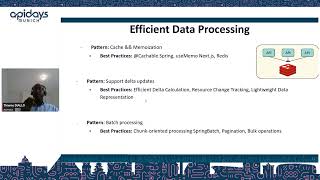 25mDesign, Build, and Run Sustainable APIs and Softwares
 27mTrends & anti-patterns; navigating the digital landscape for future survival
 22mMake your APIs Developer-friendly
 26mMastering API Strategies for Digital Transformation
 49mPoor API design is not sustainable.
 25mRunning a Successful API Program: Best Practices and Challenges