ZMS a New Lightweight Storage System

summary
Zephyr Memory Storage is a new key‑value store that targets NOR flash and non‑erasable NVM like RRAM and MRAM, with 32‑bit IDs (≈4 billion keys) and a 64‑bit address space. It uses sectorized write‑forward layout, metadata ATEs, GC that copies only live entries, and a GC‑done marker for power‑loss resilience. Built‑in CRC and small‑value inline writes reduce IO. Measured tests: 60 entries run 50 times drop from ~21s to ~3s with larger partition and down to 1.2 seconds with caches and settings hash, proving the design works. writes without erase
AI-written summary · about
chapters (16)
- 0:00ZMS storage system
- 1:04About Bayer
- 2:28Flash technology evolution
- 3:51Limitations of existing storage
- 4:58Why ZMS for new flash
- 6:01How ZMS works
- 10:35Sector layout and metadata
- 13:05Closed vs open vs erased sectors
- 14:29Garbage collection in ZMS
- 16:54Key features of ZMS
- 18:41ZMS with Zephyr settings
- 21:11ZMS backend for settings
- 25:25Optimizing ZMS performance
- 27:52Performance comparison
- 32:07Upcoming ZMS features
- 34:15Q&A
related talks
 46mZMS a New Lightweight Storage System
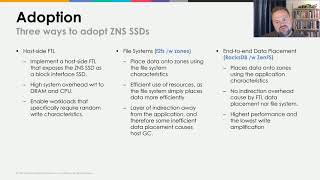 16mZNS: Avoiding the Block Interface Tax for Flash-based SSDs
 27mPreview: Storage
 15mImproving Performance of Flash Based Key-Value Stores Using Storage Class Memory...
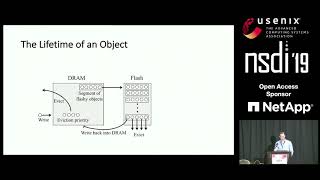 25mFlashield: a Hybrid Key-value Cache that Controls Flash Write Amplification
 30mZiggurat: A Tiered File System for Non-Volatile Main Memories and Disks
 35mZephyr OS Memory Protection
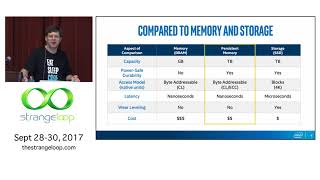 43mPromise and Pitfalls of Persistent Memory