Rust and Other Interesting Things

summary
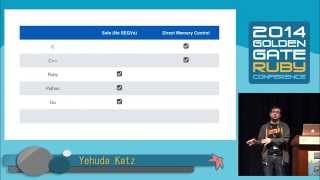
Recent experience shows Rust can beat hand‑optimized C on real system code by switching data structures and letting the compiler optimize memory layout, notably a B‑tree implementation outperforming an AVL tree in a rebalancing workload. Rust’s ownership model shifts correctness checks to compile time, adding safety and composability while preserving performance. Practical tools include FFI and unsafe blocks for incremental migration, hygienic macros for ergonomics, and a thriving ecosystem that makes rewriting firmware and user‑level system services realistic.
AI-written summary · about
chapters (8)
- 0:00Introduction and background
- 2:03Platform values and software choices
- 8:20Examples of language values
- 14:18System software demands and challenges
- 23:28The promise of Rust
- 31:37Rust's core values and trade-offs
- 34:46Rust's fit and future in system software
- 35:07Q&A session