Approaching Overload: Automation as Fellow Responders

summary
Argues that automation behaves like a pseudo‑cognitive agent with brittle but predictable patterns and lists concrete design moves: make systems observable, track collective hypotheses, and expose retry/timeouts. Presents a 1‑case walkthrough where a recent code push to a reporting dashboard, later reverted change helped, causes idle connections that push memcache toward connection saturation, triggering degraded latency; automated processes open new connections but fail to adapt gracefully.
AI-written summary · about
chapters (13)
- 0:00Intro
- 2:11Resilience
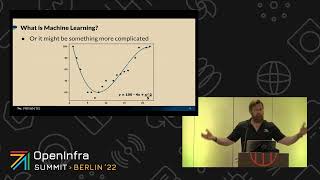
- 7:09AI ML
- 8:33Overload
- 9:15Generic Responses
- 10:42Automation
- 17:29What actually happened
- 18:35Case study
- 20:33Response types
- 22:29Response models
- 24:32What do we do about it
- 26:11Challenges
- 28:10Design Questions
related talks
 30mThe Robots Are Coming (But Not Yet), or, Don't Make Smart People Do Dumb Things
 34mThe Human-in-the-Loop is Tired
 29mAutomation first, People centric
 43mTaming the Unpredictable: Reliability in Chaos
 40mAgainst the Tyranny of Optimization: On the Stability of Automated Republics
 26mBeyond Hype: Leading the Charge in Responsible AgentOps for Business Transformation
 33mHumans on the loop, not in it: Taking agentic engineering end to end
 15mDevelop at Idea Velocity