Fairness and transparency in machine learning: Tools and techniques
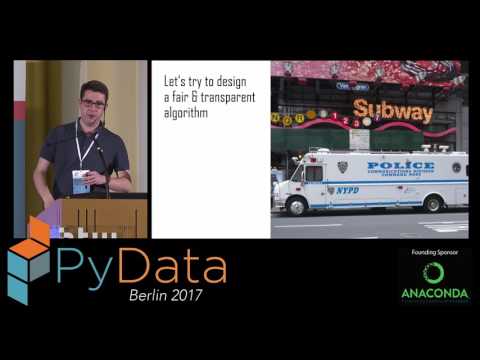
summary
Shows a concrete pipeline: use Python and scikit-learn to train logistic classifiers on New York stop-and-frisk records, measure disparate impact (e g 50% of stopped people in one group vs 35% in another), and then iterate. Claims: changing features (drop location), changing target (predict arrest not frisk) and adding fairness constraints reduces but does not eliminate bias. Delivers numbers, code-level choices, and measurable but imperfect fixes.
AI-written summary · about
chapters (7)
- 0:00Fairness in ML introduction
- 1:08Fairness and discrimination
- 8:14Disparate impact measurement
- 15:59Predictive policing model
- 27:29Reducing algorithm bias
- 36:56Fairness takeaways
- 38:24Q&A
related talks
 47mEthical Machine Learning
 42mFairness in Machine Learning: From Theory to Practice
 23mRemoving Unfair Bias in the Machine Learning Pipeline
 36mMachine Learning Fairness: Lessons Learned
 37mKeynote: Ethical Machine Learning: Creating Fair Models in an Unjust World
 38mSocial Implications of Bias in Machine Learning
 51mDigital Discrimination: Cognitive Bias in Machine Learning
 39mBeyond Bias: Crafting Fairness in Pythonic Machine Learning Systems