Open source and open standards in VR

summary
Open-source projects are building concrete VR infrastructure: Janus VR seeks to be the web in virtual reality and is available as an open codebase, while High Fidelity and other libraries provide networking and avatar systems for social spaces. Social VR demonstrates clearer nonverbal cues—body movement and faces—compared to text, phone, or Skype. Open standards and shared tooling reduce platform fragmentation, let developers keep pace with rapid hardware changes, and create an accessible development path that actually produces reusable, working experiences.
AI-written summary · about
related talks
 25mVR: Open Source and Standards
 27mVirtual Reality OS: Open Source, Of Singapore
 42mOpen Source Metaverse
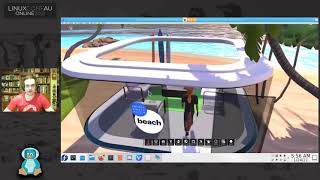 46mAn introduction to Vircadia - an Open Source desktop and VR metaverse
 31mWebVR Panel
 38mC++ for cross-platform VR
 53mUnderstanding the Opportunity and Impact of Immersive Technologies
 40mThe Road To WebVR