Humanising Math and Physics on Computer Science
summary
Claims that embedding calculus into CS yields better engagement with code and that stories and films spark learning: a Brazilian test teach numerical methods inside algorithms gives positive student feedback; showing the film the imitation game motivates undergrads to tackle turing machines. Surprising facts include euler producing publishable material for fifty years after death. A small blog humanizes math, and a paper titled maxwell's fluid model for magnetism calls for software (cassandra neo4j julia) to pursue its ideas.
AI-written summary · about
chapters (28)
- 0:00Introduction
- 0:58Personal Point
- 1:56College
- 2:43Story Time
- 3:56First Year
- 9:01Humanising Education
- 9:44Story Behind the Question
- 10:13Solving the Equation
- 10:55Family Dramas
- 14:54Research
- 16:01Keplers Law
- 17:03Hitler
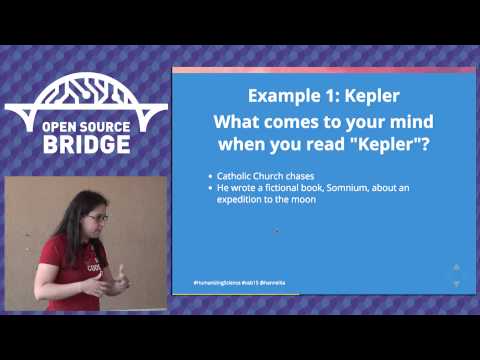
- 18:04Kepler
- 19:16Tisha
- 22:30Euler
- 25:12Benefits
- 26:53Movies
- 27:30French Revolution
- 27:55Politics
- 30:13Modern Algebra
- 31:20Movie Technique
- 32:09Tips
- 32:22Example
- 34:49I can do this
- 35:48Change by the areas
- 36:16Math
- 37:14Travel Promotion
- 37:58Conclusion
related talks
 30mBuilding the systems that build the software
 40mOf Mouse and Man: Creative Networks and Mechanical Directors
 32mComputer Programming Is Dead; Long Live AI-First Programming
 35mProgramming What Cannot Be Programmed: Aesthetics and Narrative
 45mWhere AI Meets Code
 28mBeyond the code: Rediscovering the timeless skills of software engineering in the AI era
 09mInterview with Joshua Starmer
 31mComputer, Program Theyself!