E2E testing goes Corporate

summary
Cypress lacks built-in NTLM/negotiate support so a lightweight solution pairs Cypress with an external NTLM proxy that intercepts 401s, completes the three‑step NTLM handshake and returns 200 so tests proceed; the plugin bundles a launcher, custom commands to register hosts/credentials and a Windows SSO mode that uses native APIs. Corporate Node hurdles include HTTPS inspection and proxy settings—fix by supplying trusted CA chain via NODE_EXTRA_CA_CERTS or using win-ca, and configure http(s)_proxy and no_proxy. The proxy also works with Selenium.
AI-written summary · about
chapters (13)
- 0:00Start
- 2:58What is Cypress?
- 11:51Cypress architecture vs Selenium
- 15:12Windows Web Authentication methods
- 17:26NTLM handshake
- 21:55Why doesn't NTLM work?
- 23:33Making NTLM work!
- 36:37Challenges while developing the plugin
- 41:01Node.js behind corporate firewall - Corporate certific Corporate firewalls commonly apply HTTPS Inspection
- 43:00Custom CA with Node.js (2)
- 44:35Extracting the root CA
- 46:49Node.js behind corporate proxy - Proxy settings (2)
- 48:15Bonus: Single sign on
related talks
 33mCypress: The future of E2E testing
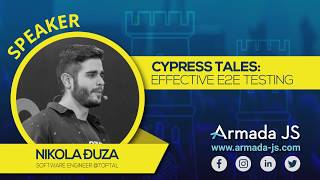 35mCypress Tales: Effective E2E Testing
 52mCypress: Testing without Selenium, Part 2
 04mCypress E2E Automation
 41mCypressIO
 07m"Cypress Advanced Capabilities Declassified"
 45mCypress: Testing without Selenium, Part 1
 29mEnd-to-end Testing Is Hard - But It Doesn't Have to Be