Beyond the Blue Dot: New Features in Android Location
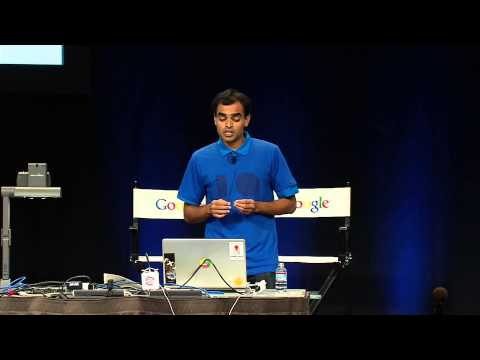
summary
Android adds a fused location provider that automatically mixes GPS, Wi‑Fi, cell and phone sensors to raise indoor accuracy, cut polling, and smooth transitions; a geofencing API with 100 geofences per app and hardware/offload hooks; and activity recognition (on‑foot, in‑vehicle, bicycle, tilting) delivered via Google Play services. Demos show live fused traces and activity changes working, and tests report roughly two‑thirds power savings versus older proximity APIs.
AI-written summary · about
chapters (33)
- 0:00Intro
- 0:32Whats Changed
- 1:27Growing Importance of Location
- 3:24Location Requirements
- 4:58Technological Changes
- 6:17Problem of Complexity
- 7:20Census
- 7:40Sensors
- 9:06Demonstration
- 10:44Goals
- 11:30fused location provider
- 11:57simplifying API
- 14:45Listeners Pending Intents
- 15:47Location API
- 16:25Request Location Updates
- 16:47Pending Intent Variant
- 17:49Location Request API Priorities
- 19:11Geofencing
- 19:35Demos
- 22:54API
- 23:28Geofences
- 24:56How did we do it
- 25:44Activity Recognition
- 26:04accelerometer data
- 26:23user API
- 26:55Moves App
- 28:52Activity API
- 29:50Google Play Services
- 30:52Why Google Play Services
- 31:39Whats Next
- 31:51Improvements
- 33:34Conclusion
- 35:32Questions
related talks
 19mFind Yourself! Navigating the World of Android Location
 14mThe Future of Android Location Services
 59mDon't Get Lost with the Android Localization Framework
 20mOverview of different geo APIs
 41mBuilding Exceptional Android Location Experiences with Mapbox
 26mWellness & Droid
 26mMaking Sense The Road to mobile Awareness
 37mWhy "Where" Matters: Exploring the Power of Location-Aware Apps