Design & Implementation: Automated LiveOps Backend

summary
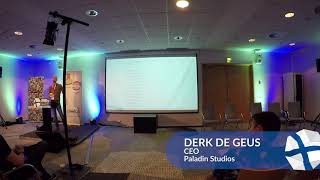
Claims an automated LiveOps backend that cut a 15–20 person ops effort to one person, two hours per month for a console title and a similar design for real-time mobile multiplayer. Defines a three-step design flow—no human touch while preserving player experience, build on top of manual ops as a fallback, reduce future risk—and three implementation points: server-side scheduler as the heartbeat, separate pipelines for live feedback versus new content, and removing dependencies via plugin interfaces with monitoring and rollback.
AI-written summary · about
chapters (13)
- 0:00Introduction
- 1:34Speaker background
- 4:08What is LiveOps
- 7:50Automating LiveOps
- 10:24Designing LiveOps system
- 15:54LiveOps workflow
- 21:33Scheduler design
- 22:37Value from automation
- 24:24LiveOps and AI
- 25:50Key takeaways
- 26:10Q&A: automation risks
- 27:58Q&A: random rules
- 29:44Final thanks and conference wrap-up
related talks
 23mKnow Your Players, Grow Your Game: A Guide to Live Ops in the Cloud
 20mAgile development application for live ops
 51mEngineering Live Ops on Call of Duty: WWII
 28mDevOps in the Enterprise: A Transformation Journey
 47mWhat are the Challenges of Running Live Ops Across Different Game Genres?
 38mLive Ops Disaster Stories: What We Learnt
 46mLeveraging AI and Automation in DevOps
 01h 39mPostOps: A Non-Surgical Tale of Software, Fragility, and Reliability