Migrating from Spring MVC to Spring WebFlux

summary
A practical comparison of Spring MVC (Servlet-based) and Spring WebFlux (reactive) focused on a real migration use case. The talk presents when reactive architecture makes sense, includes load-test results, and explains the advantages and trade-offs of both approaches so teams can decide whether and how to migrate.
AI-written summary · about
chapters (7)
- 0:00Start
- 4:47How many operations run in parallel on a system?
- 7:51Should we delegate application-level concurrency management to the system?
- 10:09From synchronous to asynchronous model
- 27:13What should we have done?
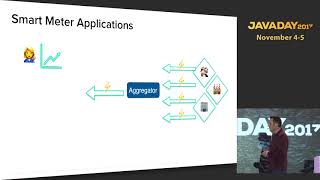
- 29:37The right use-case 1/2 Sequential service aggregator
- 32:39The right use-case 2/2 Parallel service aggregator
related talks
 57mRefactor to Reactive with Spring 5 and Reactor 3
 07mInterview with Spring team members Stéphane Nicoll & Brian Clozel
 51mGoing Reactive with Spring 5 & Project Reactor
 49mReactive Spring
 55mSpring Framework 5: Feature Highlights & Hidden Gems
 43mMigrating from Imperative to Reactive
 48mGetting Thymeleaf ready for Spring 5 and Reactive
 51mSpring Boot 2.0 Web Applications