ChatBots Were Yesterday, Conversational Commerce Is Today

summary
Argues that voice commerce succeeds when systems use a strict pipeline (ASR → NLU → NLG → TTS) and narrow, well-scoped domains rather than general chatbots. Describes using search over structured product catalogs plus WaveNet/Google TTS to build a Schiesser shopping assistant that filters by size and color, adds items to cart and guides logged-in users through checkout, reducing clicks in live tests. Warns against open, self-learning bots and recommends context-limited domains and 4–6 month pilots for simple commercial wins.
AI-written summary · about
chapters (11)
- 0:00Introduction
- 5:01Hierarchical to horizontal
- 6:05Chatbot history
- 12:01Speech tech: recognition, understanding, generation
- 22:07Speech tech in industries
- 24:17AIDA model and use cases
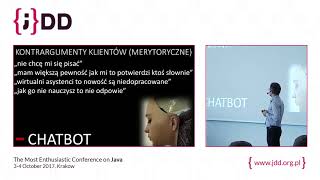
- 33:13Chatbot marketing mistakes
- 37:18Context-based speech benefits
- 42:20Voice assistant purpose
- 45:58Projects and frameworks
- 54:22Q&A
related talks
 55mConversation Is the Next Big Interface
 25mConversational AI: Sales and Customer Service Chatbot Use Cases for Small and Medium Sized Business
 35mDesigning Experiences for Chatbots
 24mChatbots — Our Conversational Partners Today and Tomorrow
 24mConversational AI Success Story with Global Brands
 01h 04mBuilding Expertise Into Generated Conversations
 01h 08mChatbots - latest news
 37mBots Panel