Human-machine intelligence in cybersecurity
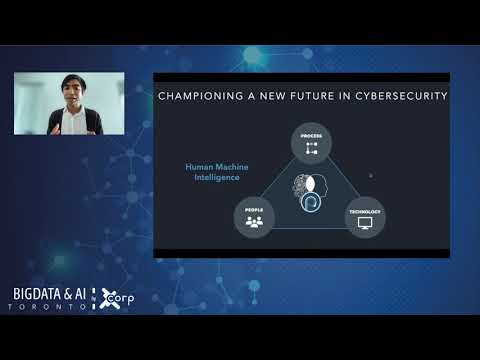
summary
Argues that existing SIEM, EDR and SOAR stacks miss human context and are being repackaged into XDR without solving gaps, cites adversarial ML failures (image classifier flipped by 0.007% noise and 2019 global bypass of a commercial AI AV), and presents Penfield.ai’s approach that models analyst skill sets in real time to enable automated alert assignment, automated intelligent QA reviews and on-the-job coaching, claiming up to 38% faster incident resolution and automated discovery of repeatable processes for SOAR.
AI-written summary · about
chapters (7)
- 0:00Start
- 1:56WHY THIS DOESN'T WORK IN CYBERSECURITY
- 13:29HUMAN INTERVENTION
- 16:52CHAMPIONING A NEW FUTURE IN CYBERSECURITY
- 17:55PROBLEM: MANUAL PROCESSES IN SOC
- 20:26THE FIRST AND ONLY HUMAN-MACHINE INTELLIGENCE PLATFORM FOR CYBERSECURITY
- 22:46DND ZERO TRUST FRAMEWORK
related talks
 44mAdvancing Cybersecurity with AI and Machine Learning: Opportunities and Challenges
 32mAI/Machine Learning: What is Actually Working in Cybersecurity?
 01h 19mAI vs AI: Cyber Defence and Managed Resilience
 01mWhy AI Will Kill the SIEM This Year
- 44mAdvancing Cybersecurity with AI and Machine Learning: Opportunities and Challenges
 49mThe Intersection of AI and Cybersecurity
 16mIntelligent by design: Can cybersecurity cope with AI?
 44mAI Meets Cybersecurity: Boosting Speed Without Losing Control