What machines can teach us about ourselves?

summary
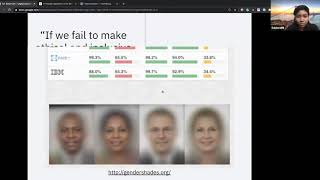
Claim: machines expose human bias, surface hidden correlations, and reveal actionable gaps. Examples include facial recognition has lower accuracy for darker skin and women and credit scoring reproduces human lending prejudice, while IoT and ML — sensors, supervised and unsupervised models, GPS and calendar analytics — let thermostats learn household routines and firms map time-in-meetings to influence. Data visualizations expose mismatches like unfilled skilled jobs versus immigrant supply and changing boiling points tied to pollution.
AI-written summary · about
chapters (14)
- 0:00Introduction and speaker background
- 1:24Evolution of machines and their capabilities
- 6:20Confirming or rejecting biases
- 9:10Examples of bias in crime detection
- 10:33Bias in financial lending and politics
- 12:42Bias in hiring algorithms
- 13:05Making connections through data
- 18:43Age versus wisdom in tech
- 19:05Identifying gaps in data
- 20:08DEI initiatives and job markets
- 21:52Immigration and skilled job gaps
- 23:58Pros and cons of machine reliance
- 27:26Human strengths machines can't replicate
- 29:12Conclusion and key takeaways
related talks
 35mZero Bias AI
 38mSocial Implications of Bias in Machine Learning
 50mEthical Machine Learning
 56mAn AI with an Agenda: How Our Cognitive Biases Leak Into Machine Learning
 51mDigital Discrimination: Cognitive Bias in Machine Learning
 37mKeynote: Ethical Machine Learning: Creating Fair Models in an Unjust World
 38mSocial Implications of Bias in Machine Learning
 47mEthical Machine Learning