AI/Machine Learning: What is Actually Working in Cybersecurity?

summary
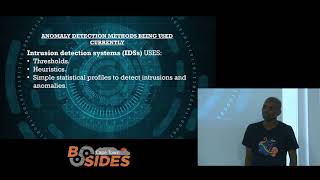
Claims that ML cuts time to detect, time to respond and time to restore get supported with concrete tools and caveats: supervised models for malware scoring rely on labeled features; unsupervised clustering flags anomalous blobs for triage; natural language models ingest news to surface supply‑chain risk (Anteros example); practical toolkits use Python and Apache Spark; GitHub projects include CLEARCUT command‑and‑control detector and a Pulse Secure log analyzer that flags probable compromises. Success depends on quality labeled data, low false‑positive rates, and skilled analysts to act on results.
AI-written summary · about
chapters (18)
- 0:00Intro
- 2:08Machine Learning Terminology
- 3:41The First 60 Years or So...
- 5:47Al Today: A "Left-Side Heavy" Hype Cycle
- 8:28Machine Learning: "Peak" Heavy
- 10:47Behavior-based Detection or Machine Learning?
- 13:33Focusing on the Useful Parts
- 16:43Marketing Use of AI/ML
- 18:47Focusing on Cybersecurity
- 20:24Log Entries to Events to Incidents to Action!
- 21:06Cybersecurity Use of AI/ML
- 21:46Practical Applications of ML: 101
- 22:50Machine Learning Use Case Malware Prevention Detection Malware detection and prevention can be improved through machine learning.
- 23:44ML used to monitor relationships, events, risks
- 25:07Practical Applications of ML: Tools
- 27:10How Much Does the Machine Do Without the Human?
- 30:00TNSTAAFL: Balanced
- 30:55Resources
related talks
 44mAdvancing Cybersecurity with AI and Machine Learning: Opportunities and Challenges
 42m How machine learning and AI can help reduce the cyber- attacks
 16mMachine Learning--Cybersecurity Boon or Boondoggle
- 44mAdvancing Cybersecurity with AI and Machine Learning: Opportunities and Challenges
 11mAI-Powered Cybersecurity in the Age of Advanced Threats
 49mCXO Panel: Cybersecurity: Is Machine Learning The Answer?
 27m"Cybertelligence": How AI is changing the face of cybersecurity
 30mData Driven Security