Zooming through your security crisis – Are you resentful or resilient?

summary
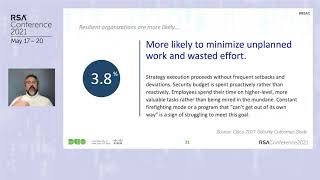
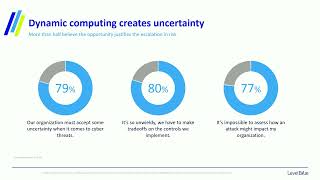
Claims that resilience, not resentment, is the actionable defense, backed by concrete numbers: post-COVID mental health rises (about one in three adults reporting anxiety or depression versus one in ten pre‑COVID), ransomware as a multi‑billion dollar industry and Treasury fines up to $20M for ransom payments tied to terrorism, and surveys showing 79% of resilient organizations collaborate while 77% lack a basic incident response plan. Practical fixes include runbooks, patching, Cloud tradeoffs, incidentresponse.com playbooks, and a personal kit—burner phone and ham radio—that restores communications during a 72‑hour outage.
AI-written summary · about
chapters (11)
- 0:00Introduction
- 1:00Create a security roadmap
- 3:10Dr Seuss
- 4:14What are crises
- 8:10Social isolation and loneliness
- 13:03Leading through a crisis
- 17:39Communication
- 25:43Next steps
- 27:31Resilience
- 31:11Story time
- 33:05My next steps
related talks
 40mCyber Resilience: Say What?
 40mWhy Resilience Has Become A Cybersecurity Superpower
 43mCyber Resilience Starts Within: A Mental Health Perspective
 40mThe Resilience Business Case: Three Case Studies
 40mA Year of Living Dangerously: Resilience After COVID & Killer Hornets
 31mResilience Strategies for Cybersecurity in Government
 37mBouncing Back, But Not Back to Normal
 45mNew Research Reveals Five New Trends for Cyber Resilience