Ageism in Interfaces

summary
Defines three concrete forms of ageism (macro, mezzo, micro), gives empirical points from 58 survey responses and literature: 24.1% reported having a disability while population rates exceed 40%, and 98.3% use the internet daily. Documents common failures—unlabeled tiny icons, chatbots that force escalation, unclear privacy/auto‑renewal flows—and actionable fixes: co‑design with older users, plain language, meaningful phone support, WCAG compliance, and hiring older staff to close the great divide and capture ignored purchasing power.
AI-written summary · about
chapters (18)
- 0:00Intro
- 2:27Definitions
- 4:18Macro ageism
- 6:02Meso ageism
- 8:11Microageism
- 10:31Statistics
- 12:36The Digital Divide
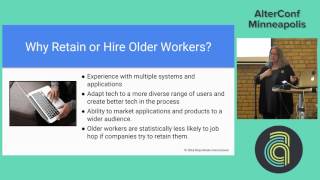
- 21:11Ageist Workforce
- 24:39Generational Wealth
- 28:39Inclusion of Older Adults
- 31:01Survey Results
- 32:48Language Problems
- 34:34Standard Patterns
- 35:59Privacy Protection
- 38:17Icons
- 40:32Additional Recommendations
- 42:10Hiring Seniors
- 43:38Questions
related talks
 22mAging and Accessibility in Tech
 55mAccessibility and Aging in Tech
 20mAge and Interface: Equipping Older Adults With Technological Tools (Project Showcase)
 48mOlder Adults: Are We Really Designing for Our Future Selves?
 53mInclusive Design Patterns: From Gen-Z To to Aging Audiences
 30mShould We Push Granny into the Apps?
 01h 00mI’m Old, Not Stupid: The Digital Divide and Keys to Inclusive Design
 20mWhy we need to put accessibility first!