Designing for Web3

summary
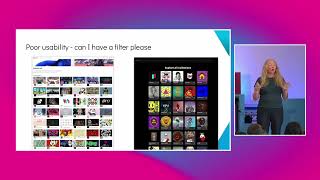
Web3 is a mix of blockchains, tokens, NFTs and DAOs but the current experience is frequently unusable: onboarding can be 28 steps to set up an exchange then multiple extra steps to create and connect wallets and move funds; marketplaces lack basic filters; wallet checkouts (example: metamask checkout confusion) show opaque transactions; phishing clones (example: lost 87 cents to a MagicEden-style scam) drain wallets with one signature. Good design means start-from-first-principles design: map mental models, bridge system vs user views, break tasks into tiny steps, build onboarding and visible trust signals.
AI-written summary · about
chapters (11)
- 0:00Start
- 7:00Working from first principles
- 14:20It is hard to understand
- 16:35User research
- 30:10Mental model: Transferring funds
- 31:27Mental model: Buying a digital product
- 32:55Mental model: Banks
- 33:23Mental model: Proving ID digitally
- 35:52Match the mental model or the system model?
- 41:23Design onboarding
- 42:12Summary
related talks
 32mDesigning for web 3
 20mUnlocking Web3: Bridging the UX Gap for Crypto-Newcomers
 26mDesign Paradigms in a Decentralized Future
 46mDefining Web3: How the World of Digital will Evolve
 22mBuilding in Web3: Real-world use cases that actually make sense
 29mOvercoming the Hurdles: Addressing Pain Points in Web3 Adoption
 32mImproving UX of DeFi Applications
 17mWeb3: The Next Internet or Just Hype?