Better: Fearless Feedback for Software Teams

summary
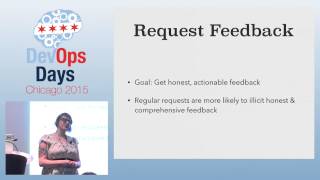
Claim: well‑given feedback measurably improves team performance and trust. Evidence: an apprenticeship program graduates 60 people and still employs 84% of its alumni. Concrete methods: structure feedback with situation behavior impact, practice active listening, assume positive intent, run mutual one‑on‑ones, peer exercises and retrospectives. Practical rules: be specific, direct, focus on behavior, limit the scope of a critique, give options for timing, and practice difficult conversations until they land. Three simple challenges and a quarterly self‑assessment make change sustainable.
AI-written summary · about
chapters (18)
- 0:00Introduction
- 3:55What is Feedback?
- 4:27Types of Feedback
- 9:09Managing Fear
- 12:37Feedback 101
- 13:59Listen actively. - While you are receiving feedback, listen
- 15:52Say "Thank you."
- 18:26Respond (later).
- 20:41Assume the best.
- 22:32Be specific.
- 23:19Let it land.
- 24:23Be collaborative.
- 25:41Avoid anti-patterns.
- 28:07Lead by example.
- 29:16Practice!
- 30:10Self-Assessment
- 30:40Challenges
- 31:23Additional Resources
related talks
 46mBetter: Fearless Feedback for Software Teams
 01h 10mUsing Feedback to Reduce Truthiness
 35mFrameworks for Feedback
 47mThe Power of Performance Feedback
 27mDoes how you give feedback matter?
 35mFeedback: You don't have to be bad to get better
 22mFeedback matters
 52mFacilitating Safe and Inclusive Feedback