Hacking the academic experience
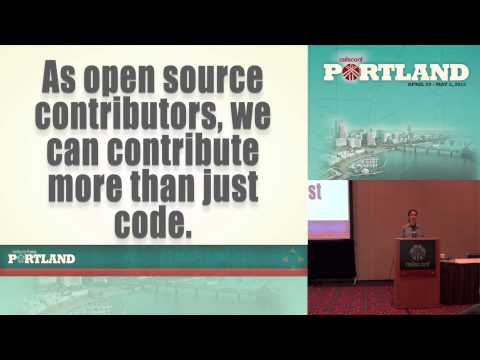
summary
Claim: graduates lack on‑the‑job skills and community learning. Curriculum teaches Ruby on Rails with a non‑ORM slot for MongoDB, daily debugging of unfamiliar code, Git/GitHub workflow and pull requests, meetup participation and contributing to open source. Class builds real apps — a Louvre conservation Rails app worked, students build a course app with the strongest slated for deployment to Heroku. Quick measures: 97% said yes the class feels different, 96% felt unprepared for internships, 50% attend hackathons, 90% had GitHub.
AI-written summary · about
chapters (12)
- 0:00Start
- 2:11The term, hacker, is a shibboleth
- 3:23Both a traditional and untraditional background 10gen ruby driver team
- 7:45A few particular things allowed me to be successful • Example project(s)
- 13:49But should academic curriculum reflect industry trends?
- 15:19A hacker-centric curriculum is critical in academia, given the tech job market.
- 24:115 Hacker Habits (and how I tried to teach them)
- 25:271 Treat the internet as your textbook.
- 25:37Able to debug code you didn't write.
- 26:40Build something to solve a real-life problem.
- 29:32Think critically about code.
- 35:56There are many benefits Your potential colleagues will be better prepared. You can fill in the holes in academic CS curricula. No better way to reenforce your knowledge. Strengthen your profile. Build your network. karma++
related talks
 11mMicrotalk: Hacking the Academic Experience
 27mSwitch Up: How to Switch Careers to Become a Ruby Engineer
 31mWhat We Learned by Teaching(.js)
 26mWe are Hacks and Have Been Stealing Code for Years...
 30mThe How and Why of Ruby
 13mEnter by Bootcamp
 43mChanging Lives with Hack Your Future
 40mOpen Sourced Learning Growth Hacking Your Tech Skills