Engines: The Past and Future

summary
A brisk timeline traces engines from Spacewar on PDP-1 and the Magnavox Odyssey through Atari 2600 tricks and Pitfall’s 255 screens in 255 bytes to Doom’s rise via shareware distribution and Quake/Unreal turning engines into products. Notes specific tech shifts: assembly to C, hardware rasterization to GPUs, middleware like Havok, and Unity’s growth after its iPhone pivot. Identifies current bottlenecks—content pipelines, iteration speed, support—and predicts a modular future of small, specialized engine components and plugin-driven workflows.
AI-written summary · about
chapters (26)
- 0:00Introduction
- 2:15The Transistor
- 7:00The PDP1
- 12:24Commodore PET
- 14:38X86
- 15:21TS1000
- 16:49Marble Madness
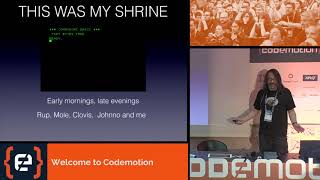
- 17:39Game Maker
- 23:09Quake
- 24:14Unreal
- 25:32Painmaker
- 27:56Unity
- 34:40Constraints
- 35:20Is programming becoming obsolete
- 35:45The logic involved in games
- 36:27Mobile games
- 36:55PC games
- 37:20Engine evolution
- 39:20Current engine problems
- 41:45The computer software industry
- 42:20Processes
- 42:55Problems Shifting
- 43:10The Engine of the Future
- 44:20Support
- 45:10Clowns
- 45:20Questions
related talks
 41mPanel: What Tools all Game Developers Should Have at Hand at all Times
 39mBehind the Game: Strategies for Building the Tech That Powers Today’s Top Titles.
 10mThe future of Unity (Entity Component System & Performance)
 15mGaming the Future of Architecture
 38mThe Early Days of Id Software: Programming Principles
 39mState of Game Technology Roundtable
 43mThe evolution of mobile games
 39mMy accidental 36 years in video games