Creating tutorial experience of your game
summary
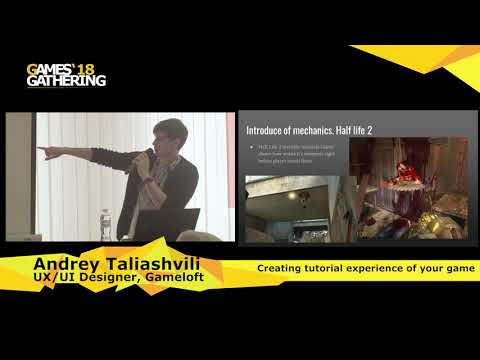
Distills a practical system: tutorials split into three stages—show try validate—and into two implementation styles: hard vs soft tutorial. Gives concrete examples: Clash of Clans–style forced, scripted 20‑minute onboarding; Half‑Life 2’s invisible, contextual learning where safe zones let players experiment; Far Cry 5’s blinking loot and timed hints; advise to design tutorials early, prototype and playtest with real players, use live data to find where users drop off, and always offer a skip that can be locked or revealed later.
AI-written summary · about
chapters (18)
- 0:00Game tutorial goals
- 3:13Player limits and psychology
- 6:30Tutorial structures and types
- 8:17Tools and interactivity in tutorials
- 10:24Half-Life 2 tutorial examples
- 12:29Learning from failure
- 13:56Personalization and balance in learning
- 15:21Story and context in tutorials
- 16:23New vs existing games tutorials
- 17:25When to start tutorial design
- 18:52Measuring tutorial effectiveness
- 19:35Testing and playtesting tutorials
- 20:00Battlefield 5 examples discussion
- 21:49Separate training missions
- 23:35No tutorials in hardcore games
- 25:39Tutorial detail level
- 26:43Adapting tutorials for players
- 27:25Q&A on best tutorial examples
related talks
 32m“THAT is a Level Design talk” Using curiosity and iterations to craft the HITMAN Trilogy
 26mGetting the Job Done: Using Everything to Make Your Game
 52m"Is this fun?": Practical tactics to integrate player insight throughout development
 53mCreating Emotional Engagement Through Narrative and Game Design
 24mOnboarding: How to Keep Your Players After the First Minutes of Gameplay
 39mBringing your concept to life
 12mGameplay Instructor Guide
 21mHow to lay the foundations for compelling storytelling in games