Open source is just about the source, isn't it?

summary
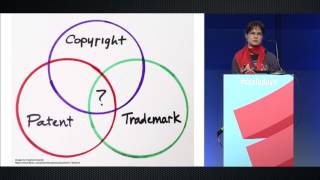
Argues that successful open source needs explicit non-code decisions: pick a license (GPL/LGPL or Apache license) to control downstream use, register and police trademarks, set up CI and automated patch checks (Jenkins / pet checkers) so pull requests get fast feedback, host on movable platforms like GitHub but plan exports, fund hosting and paid contributors, use mailings lists + IRC/Slack + Stack Overflow for discoverable support, cultivate contributions with clear onboarding and programs like Google Summer of Code and tiny starter issues.
AI-written summary · about
chapters (12)
- 0:00Start
- 0:55What Open Source Is All About
- 4:06Using Open Source as Part of Your Day Job
- 7:03Copyright
- 25:16Why Should You Use It as a Defensive Strategy
- 25:53Inviting Contributions
- 33:56Communication
- 37:19Use the Right Communication Medium for the Task at Hand
- 42:35Change Management What's the Biggest Change in an Open Source Project
- 44:41Improving Culture
- 45:17Lead by Example
- 46:22What Did Work for You Best for Event Management from the Infrastructure Side
related talks
 01h 01mKeynote - Open source is just about the source, isn't it?
 48mAnatomy of an Open Source Project
 50mRunning a Successful Open Source Project
 25mWhat Makes Open Source Work: Licensing and Beyond
 23mGrowing A Successful and Sustainable Project
 31mOperationalizing Open Source Projects: When the Rubber Meets the Road
 27mDesign Your Open Source Project
 01h 03mThe Value of Open Source