Reproducible and Portable Development Environments with Vagrant
summary
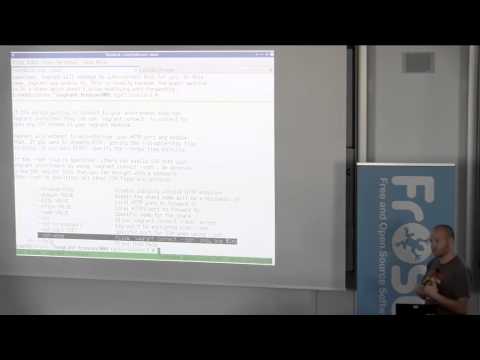
Vagrant is used to automate full development machines on VirtualBox and cloud providers, including downloading VirtualBox boxes from Atlas, configuring CPU/RAM, port forwarding (e.g. exposing HTTP), and syncing source folders with Shared Folders so code stays local. Provisioning is done with shell, Ansible or Chef provisioners (demo uses a Terraform repo), and the talk covers multi-VM setups, creating reusable images with Packer exports, and using plugins to add missing features like snapshot support.
AI-written summary · about
chapters (12)
- 0:00Vagrant introduction
- 4:02Vagrant basics Atlas
- 7:34Starting boxes connect
- 10:11Resource network config
- 15:29Port forwarding access
- 23:36Shared folders sync
- 26:46Provisioning scripts
- 31:27Provisioning Ansible Chef
- 37:12Cloud providers
- 38:17Multi-machine envs
- 43:40Exporting boxes
- 47:00Summary use cases
related talks
 46mBuilding Virtual Development Envrionments with Vagrant
 07mAdvantages of Development Environment Setup with Vagrant
 25mVagrant: The Stick and Carrot of a DevOps Leader
 31mReady To Code: Automate Your Development Environment
 26mDevelopment with Ansible and VMs
 27mGetting your Python Development Environment Ready with Vagrant
 31mReady To Code: Automate Your Development Environment
 23mVagrant + Terraform: The Awesome Software Development Duo