Lessons from {distributed,remote,virtual} communities and companies

summary
Claims that distributed teams outperform traditional offices with specific practices: hire from anywhere, run 24x7 support by time-zone placement, use Slack + GitHub + Jira + Google Hangouts for asynchronous coordination, set OKRs quarterly and run monthly All‑Hands plus twice‑year in‑person company meetings. Metrics include Forbes figures (50% less likely to quit, 87% more engaged) and a 90% work‑from‑home staffing pattern at several open‑source companies. Operational rules: core hours, weekly reports, 90‑day probation, heavy documentation, hardware budget (~€2,000) and pay for internet and co‑working.
AI-written summary · about
chapters (12)
- 0:00Intro
- 0:35Working from home
- 5:36Participation
- 6:36Time zones
- 12:07Distributed workforce
- 15:52Social aspects
- 22:38Working from anywhere
- 35:10Benefits
- 40:17Resources
- 43:32Working remotely
- 46:22Using benefits
- 54:24Cultural differences
related talks
 29mRemote(ly) Better Than Before
 13mManaging Remote Teams
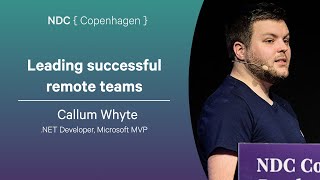 01h 06mLeading successful remote teams
 36mRemote work is here to stay: and what's next?
 52mRemote Working Approaches That Worked (And Some That Didn’t)
 26mCreating Space for Remote Work
 38mDistributed Sys Teams
 55mWorking Distributed - How Does It Even Work?