License Compliance 101
summary
Licenses impose permissions and conditions that trigger on how code is combined and distributed, so projects must identify all dependencies including transitive ones and how each component is used (linking, modified, or served via REST). Binary distribution often forces source or build disclosures. Compatibility checks can explode — one audit produced license-combination counts with 100‑digit answers — so use scanners (Scan OSS, FOSSology / “pology”, scancode replacements) and automated compatibility tools at softwarecompliance.org.
AI-written summary · about
chapters (10)
- 0:00License compliance intro
- 1:41Copyright basics
- 3:04What is free and open source software
- 6:13Dependencies and linking
- 9:50Finding dependency licenses
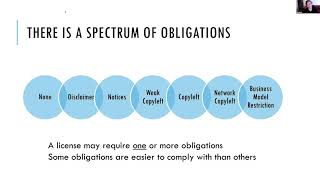
- 14:23License categories
- 18:51Compatibility and distribution rules
- 21:46License compliance tools
- 22:49License classification efforts
- 23:34Q&A on linking
related talks
 13mBuild license management into your pipelines
 01h 38mOpen Source Licensing: Types, Strategies and Compliance
 43mSoftware Licensing and Compliance: It's All About Community
 25mOpen Source Compliance
 32mOpen Source Contributions in Today’s World
 25mEnsuring OSS License Compliance the Easy Way
 49mLicensing Support by Build Systems and What Remains To Be Done
 36mThe Role of Package Managers as Partners in License and Attribution Compliance