Resilience Practical Application & Science
summary
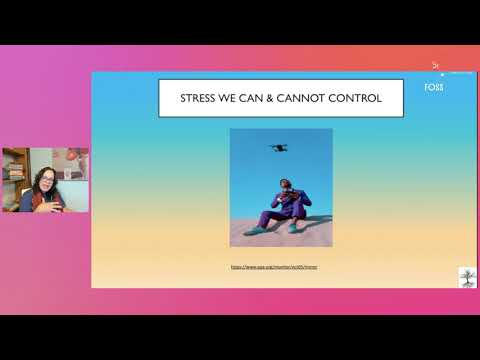
Burnout links to lack of purpose, unmanageable workload and no space to discuss mental health; having an empathetic manager reduces risk. The bodywide stress response via the vagal nerve pushes people from a green zone to red/freeze states; simple practices—breathing, short meditations, sunlight (15 minutes), nightly shower, seven+ hours sleep, and check email three times—help return to green. A three‑week gratitude regimen shows fMRI change after 23 days; the gorilla selective‑attention test misses the gorilla about half the time (15 passes).
AI-written summary · about
chapters (7)
- 0:00Introduction to resilience
- 2:11Stress response and health
- 6:32Healthy brain and body basics
- 13:15Selective attention and positivity
- 16:49Science of happiness studies
- 22:29Work-life integration and success
- 25:43Takeaways and self-care importance
related talks
 45mHow to build up resilience and keep burnout at bay
 21mWell-being & Resilience In Software Engineering: Walking the Talk Changes the View
 01h 01mIs everything difficult, or is it just me?
 11mSeven surprisingly simple ways to stem burnout
 34mKeep Yourself Alive: Stopping the Effects of Burnout
 46mTips and Strategies for Reducing Stress and Burnout by Creating Psychological...
 45mUncharted Minds: Exploring...
 55mThe leadership balancing act - achieving success without burning out