Dissecting ActivityRecognition with Multi-Sensor Simulation and Its Practical Deployment
summary
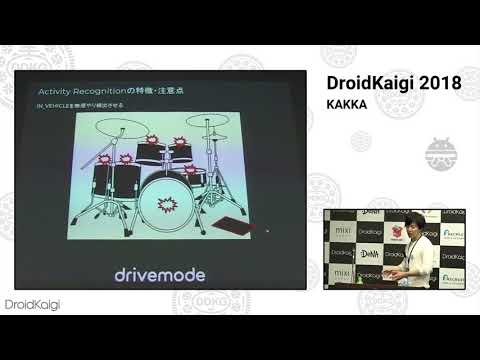
Analysis of Android ActivityRecognition showing it relies mainly on accelerometer (and sometimes gyroscope) data; the method records device sensor logs then injects acceleration/gyro streams into the Android emulator to reproduce classification results. Results show accelerometer-only replay matches real-device walking and in-vehicle detection nearly 100%, but produces false positives from table taps/drum vibrations and is affected by phone sensor throttling, so practical use needs additional signals like GPS speed or proximity to disambiguate.
AI-written summary · about
chapters (8)
- 0:00Activity recognition intro
- 6:46How ActivityRecognition works
- 11:55ActivityRecognition challenges
- 12:43Simulating sensor data
- 17:37Testing sensor accuracy
- 21:17Simulation key findings
- 22:44Practical deployment
- 27:06Q&A
related talks
 26mMaking Sense The Road to mobile Awareness
 06mApproaching the Real-World: Supporting Activity Recognition Training with Virtual IMU Data
 18mFitness motion recognition with Android wear
 34mMining smartphone sensor data with python
 22mRunning, walking, sitting or biking? - Motion prediction with acceleration and rotation
 28mDeep Learning-Based Human Activity Recognition for Physical Skills...
 09mAn Activity Recognition System for Taking Medicine Using In-The-Wild Data to Promote Medication ...
 06mReal-time Arm Gesture Recognition in Smart Home Scenarios via Millimeter Wave Sensing